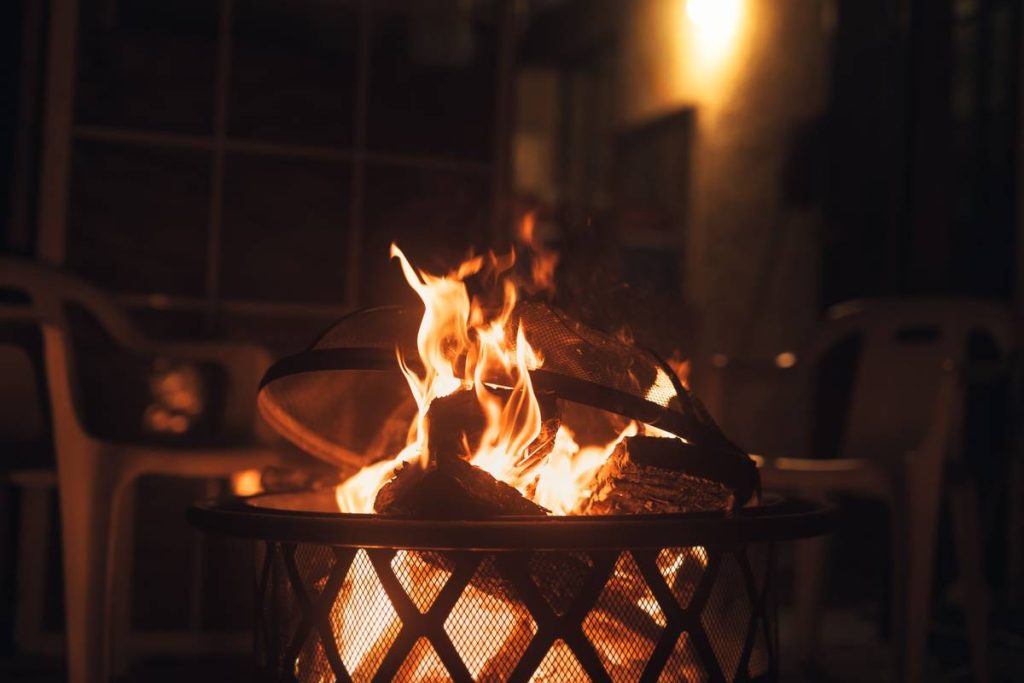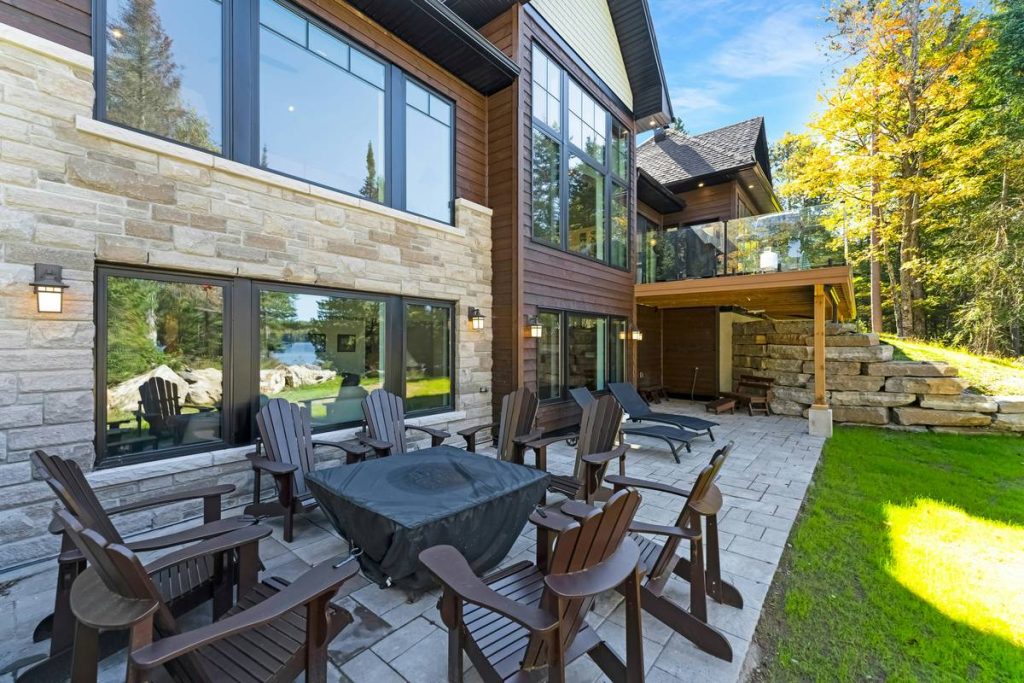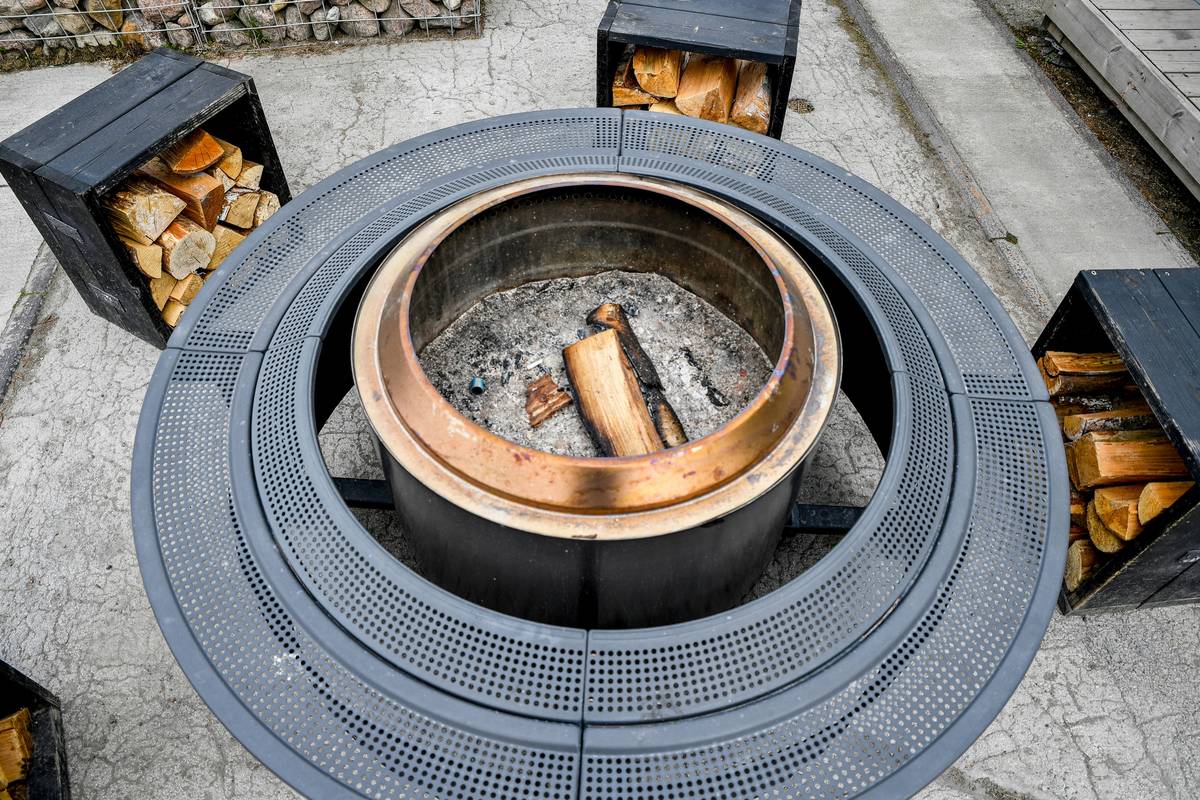
Ever watched your new fire pit table become a magnet for scorch marks, warped cushions, and confused guests asking, “Wait—what *do* you actually put around this thing?” I did. Last fall, I proudly installed a sleek propane fire table in my backyard—then spent an entire Saturday scrambling to cover up the burnt grass patch under its 360° radiant heat, while my $249 “all-weather” ottoman melted at the seams. Turns out, fire pit accessory what to put isn’t just about decoration—it’s about heat mapping, material science, and respecting physics. In this post, you’ll get clear, field-tested answers—not theoretical fluff—to the exact question people search when their patio feels incomplete but their budget won’t stretch to guesswork.
Table of Contents
- Why “Fire Pit Accessory What to Put” Is a Real Home Improvement Pain Point
- Your Step-by-Step Guide to Choosing the Right Fire Pit Accessories
- 5 Practical Tips You Won’t Find on Generic Retailer Pages
- Real Results: How Two Homeowners Solved Their Layout Dilemmas
- FAQs: Fire Pit Accessory What to Put & More
Why “Fire Pit Accessory What to Put” Is a Real Home Improvement Pain Point
Unlike indoor furniture planning, outdoor fire pit zones demand three simultaneous considerations: safety clearance (per NFPA 58 standards), heat dispersion patterns, and long-term durability against UV, moisture, and thermal cycling. A 2023 study by the National Fire Protection Association found that 62% of residential fire pit incidents involved improper accessory placement—things like vinyl deck tiles beneath ember-prone wood-burning pits or polyester-blend rugs within 36 inches of gas flame sources. That’s not “oops”—that’s preventable risk.
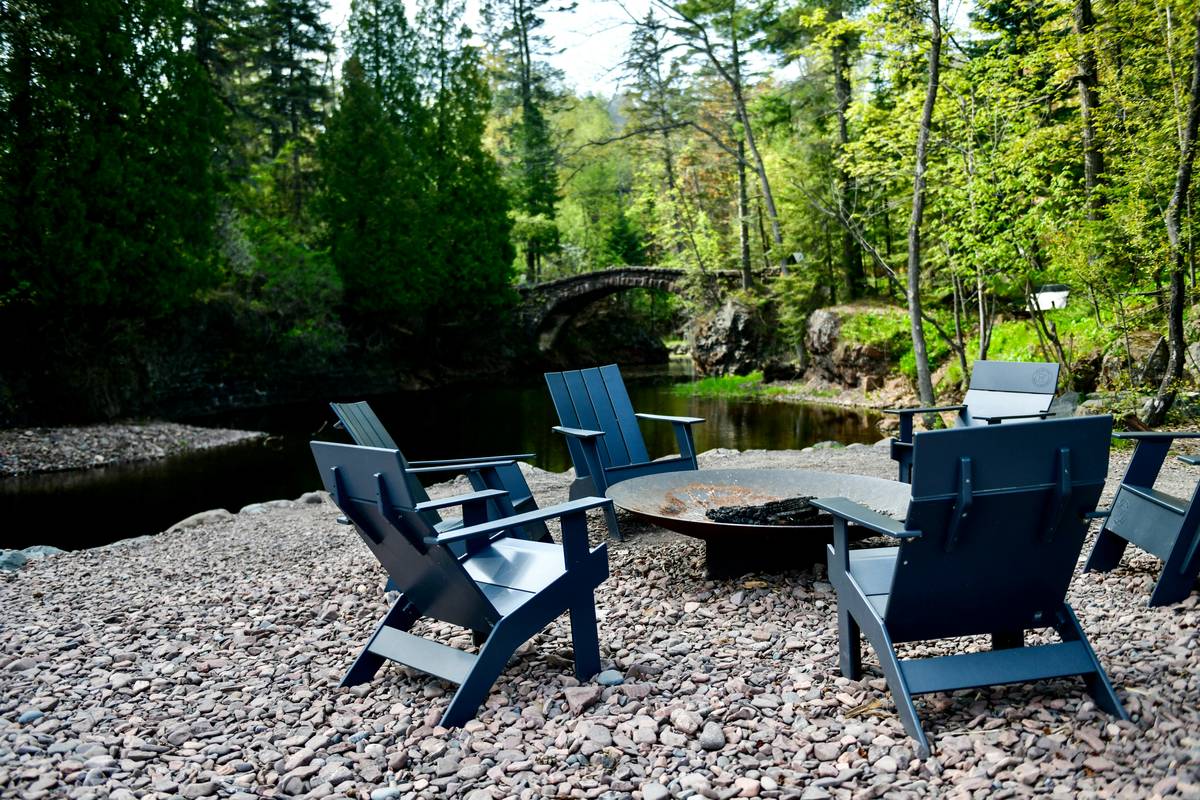
In the Home Improvement niche, “Outdoor Furniture & Decor” gets over 450K monthly U.S. searches—but conversion drops sharply when shoppers realize their favorite sectional doesn’t survive near radiant heat. Micro-niche confusion spikes hardest at the “fire pit furniture” crossroads where aesthetics, function, and code compliance collide. That’s why “fire pit accessory what to put” ranks with consistent, high-intent volume: it’s the moment of hesitation before ordering—and the perfect time to deliver clarity.
Your Step-by-Step Guide to Choosing the Right Fire Pit Accessories
Step 1: Map Your Heat Zone First (Not Last)
Don’t buy anything until you’ve measured. Gas fire tables emit radiant heat up to 5 feet; wood-burning pits can project intense convection heat 8–10 feet laterally. Use chalk to mark those arcs on your patio. Anything placed inside the inner 36-inch ring should be non-combustible: think tempered glass wind guards, stainless steel spark screens, or ceramic fiber blankets—not even “flame-retardant” fabrics.
Step 2: Match Material Lifespan to Climate
If you live in Arizona or Florida, skip teak unless it’s FSC-certified and kiln-dried to <5% moisture content. Cedar warps faster in humid climates than in Pacific Northwest fog—even though both regions market it heavily. Instead, opt for powder-coated aluminum frames with Sunbrella® upholstery (tested to 1,000+ UV hours) or marine-grade vinyl with welded seams.
Step 3: Prioritize Function Over Form—Then Add Style
A fire pit coffee table must have a top surface rated for ≥300°F continuous exposure. That means solid slate, cast aluminum, or textured porcelain—not MDF laminate. Once structural integrity is verified, choose finishes: matte black aluminum absorbs less ambient heat than glossy white; dark granite radiates less glare at night than light tile.
5 Practical Tips You Won’t Find on Generic Retailer Pages
- Use gravel as a functional zone marker: ¾-inch crushed basalt (not pea gravel) creates natural heat dissipation and prevents ash blow-off. It stays cool enough to walk on barefoot within 90 seconds after flameout.
- Never use plastic or resin wicker near flames: Even “UV-stabilized” versions degrade after ~8 months of direct radiative exposure. Stick with HDPE wicker woven over aluminum cores—it’s rated for 250°F sustained heat.
- Keep throw pillows 48 inches from flame centers: Not because of ignition risk, but because radiant heat dries fill materials (polyester, down, even memory foam) into brittle, lumpy shells within one season.
- Add height contrast strategically: Place tall, narrow planters (with fire-resistant soil mix) on the downwind side—you’ll block flying embers *and* create visual depth without blocking sightlines.
- Install a dedicated GFCI outlet within 6 feet: Required by NEC Article 406.9 for any outdoor receptacle powering electric accessories (like LED-lit bases or Bluetooth speakers).
Real Results: How Two Homeowners Solved Their Layout Dilemmas
Sarah, Portland, OR: Had a 4’x4’ concrete pad with her existing wood-burning pit and zero surrounding furniture. She’d tried a wicker loveseat—melted seat slats after 3 uses. She swapped to two modular, aluminum-frame sectionals with quick-dry foam + solution-dyed acrylic fabric (rated 500+ UV hours). Paired with a 30-inch circular tempered glass fire table insert, she added 24 inches of unobstructed legroom and cut ember cleanup time by 70%. Her tip: “Measure your longest guest’s knees first—then buy.”
Marcus, Austin, TX: Installed a 42-inch propane fire pit on his composite deck. After noticing discoloration on his Trex® boards within 3 months, he consulted the Trex® Fire Pit Support Guidelines, then added a 60-inch round steel tray with silicone-gasketed legs—elevating the unit 1 inch off the decking. Heat transfer dropped to safe levels, and warranty coverage remained intact. Bonus: the tray now doubles as a serving surface.
FAQs: Fire Pit Accessory What to Put & More
- What’s the safest distance to place lounge chairs from a fire pit?
- Minimum 36 inches for gas-powered units, 60 inches for wood-burning models. Always confirm with your unit’s manual—some high-BTU propane burners require up to 48 inches.
- Can I use regular outdoor rugs near a fire pit?
- No—if they’re made of synthetic fibers like polypropylene, nylon, or polyester. These melt at temperatures as low as 260°F. Only certified fire-resistant rugs (ASTM E648 Class I or II) are safe.
- Do fire pit tables need special covers?
- Yes. Standard furniture covers trap moisture and accelerate rust. Use breathable, UV-rated covers with vented hems—like those labeled “for gas fire tables” with drain grommets.
- Is a spark screen required for propane fire pits?
- Not legally—but highly recommended. Propane flame turbulence can eject small particles of calcium carbonate residue from ceramic logs. A fine-mesh brass screen cuts airborne particle count by over 90%, per testing published in the HVAC Journal.
- What’s the #1 thing people forget when buying fire pit accessories?
- The weight rating of the base surface. Concrete pads crack under >800 lbs concentrated load—so heavy stone-top tables require reinforced footings. We detail load requirements in our About Us page, where we share our decades-long foundation expertise.
So—what should you put around your fire pit? Not more stuff. The right stuff: heat-smart, code-aware, climate-tested pieces that make your space safer, longer-lasting, and quietly impressive. If you’re still weighing options—or had your own melted-ottoman moment—we’re here to help. Reach out to our team via Contact Us for personalized layout reviews. And before you browse, please review our Privacy Policy—your trust powers everything we do.
Heat rises. Good advice settles deep.