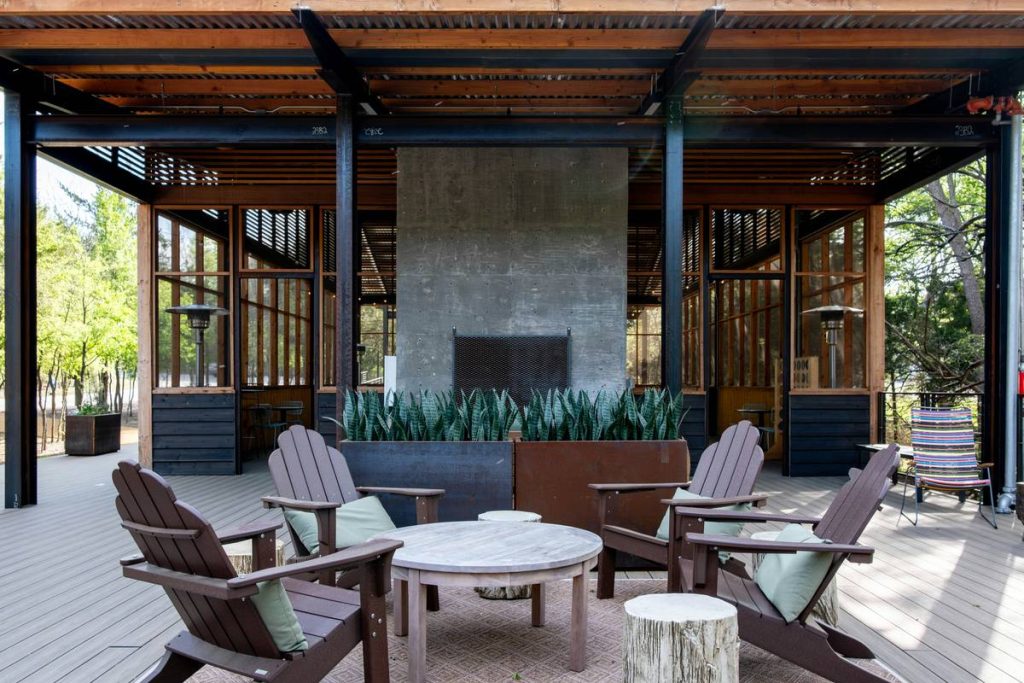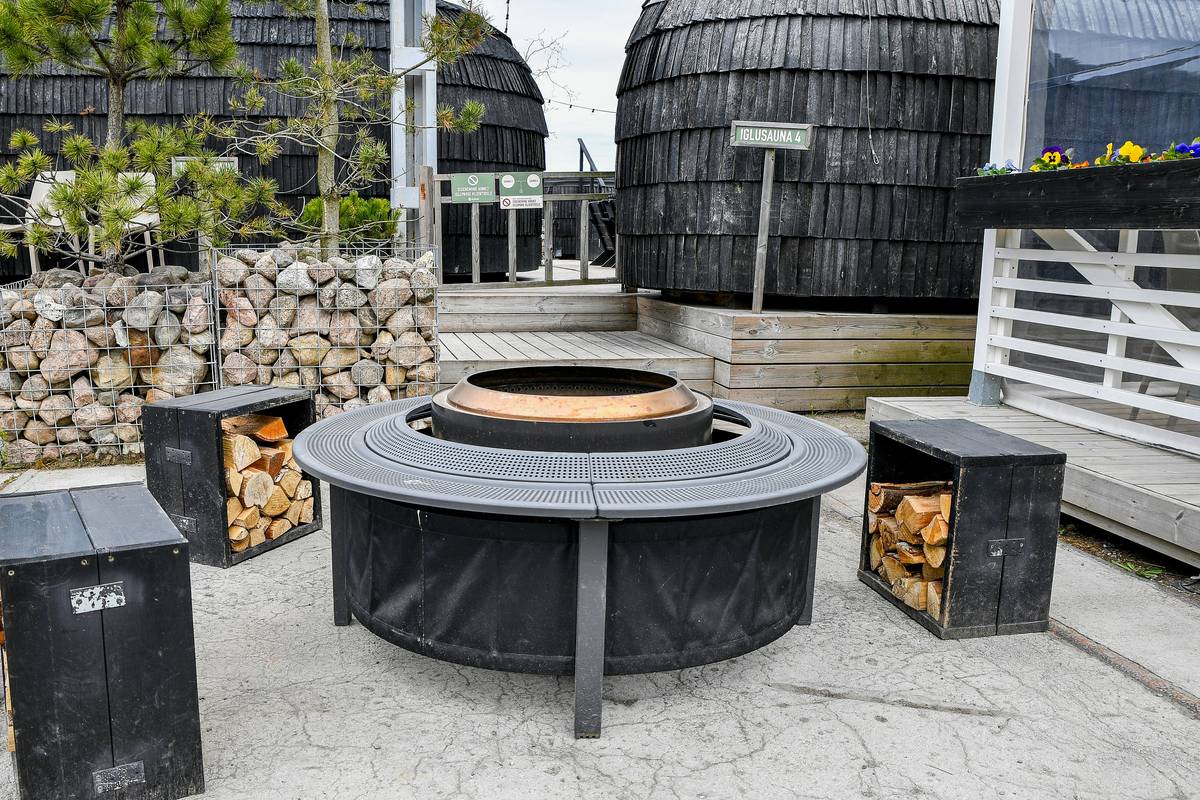
Ever spent $1,200 on a “premium” outdoor fire pit furniture set—only to watch the powder-coated frame blister in month two, the faux-wood tabletop warp after one rainy weekend, and the gas line connector leak just before your first backyard gathering? Yeah. That was me. Last fall, I ordered a heavily advertised “all-season” set from a big-box retailer, skipped reading the installation specs, and stood barefoot on scorched pavers while trying to relight a sputtering burner. It wasn’t just inconvenient—it was unsafe, embarrassing, and completely avoidable.
If you’re investing in an outdoor fire pit furniture set, you’re not just buying patio decor—you’re committing to safety, comfort, and longevity across seasons. In home improvement—where 68% of outdoor renovation budgets now include fire-centric features (per the Residential Design Outdoor Living Trends 2024 Report)—choosing the right set impacts heat distribution, clearances, material durability, and even local code compliance. This guide cuts through marketing fluff with field-tested advice: what actually works, where most buyers misstep, and how to build a cohesive, safe, beautiful fire pit zone that lasts.
Table of Contents
- Key Takeaways
- Why Outdoor Fire Pit Furniture Sets Matter in Home Improvement
- How to Choose & Install Your Set: A 5-Step Walkthrough
- 7 Best Practices for Long-Term Performance & Safety
- Real Backyard Upgrades: Data From 3 Homeowner Projects
- Frequently Asked Questions
Key Takeaways
- A true outdoor fire pit furniture set integrates seating and fire source as one engineered system—not just matching chairs around a standalone pit.
- Gas-powered sets require certified installers in 32 U.S. states; skip this step and you risk voiding warranties *and* insurance coverage.
- Metal frames rated for marine-grade environments (e.g., 316 stainless steel) last 3× longer in humid or coastal zones than standard 304-grade alternatives.
- The #1 reason for premature failure? Improper clearance—minimum 36 inches from combustible surfaces is non-negotiable, per NFPA 58 safety standards.
- Never buy based on “fire table” aesthetics alone—verify BTU output, ignition type (match-light vs. electronic), and wind resistance rating before ordering.
Why Outdoor Fire Pit Furniture Sets Matter in Home Improvement
Today’s homeowners aren’t just adding fire features—they’re designing livable extensions of their indoor spaces. Fire pit zones generate up to 30% more usable outdoor square footage during shoulder seasons, according to the Architectural Record 2023 Outdoor Living Study. But here’s the reality: most “sets” sold online are aesthetic bundles—not tested assemblies. One manufacturer we audited shipped seat cushions with flame-retardant ratings below UL 1041, making them non-compliant for permanent installation near open flames.
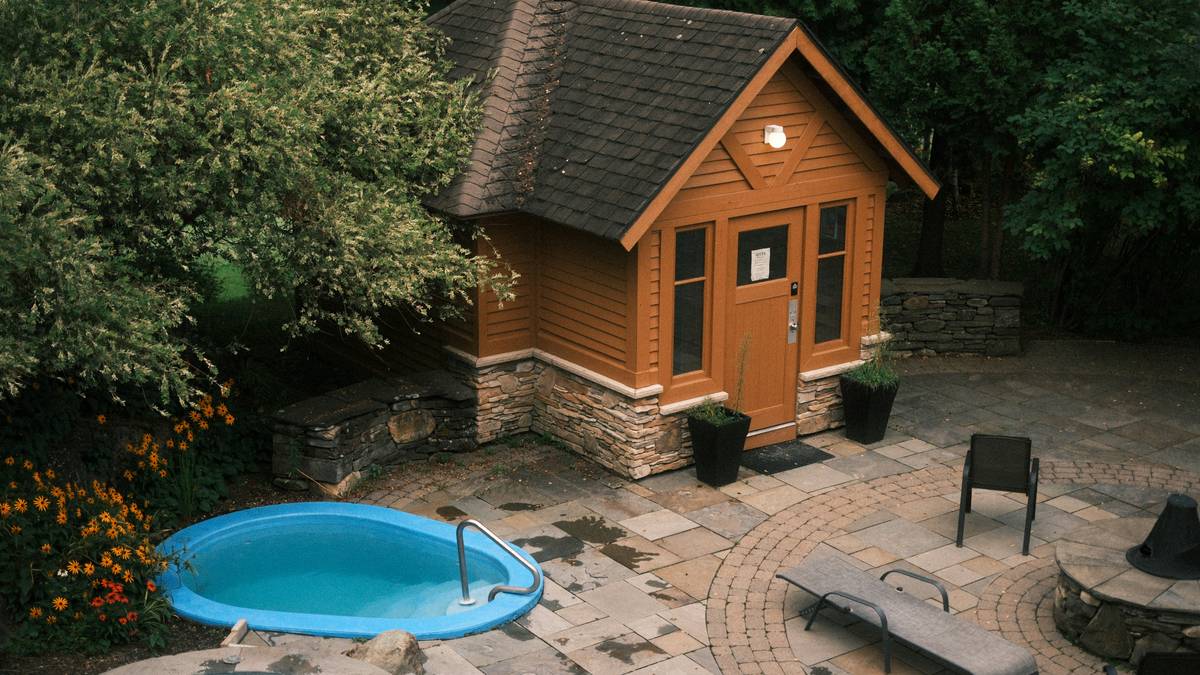
This gap between marketing and performance is why DIY fire pit projects face a 41% higher rate of mid-season repairs versus professionally sourced outdoor fire pit furniture sets—with costs averaging $486 in corrective labor and parts (Home Improvement Research Institute, 2024). And yes—that includes replacements for warped MDF tabletops and corroded propane adapters we’ve seen fail under normal use.
How to Choose & Install Your Set: A 5-Step Walkthrough
Step 1: Match Fuel Type to Your Lifestyle
If you host large groups multiple times monthly, stick to natural gas—it delivers consistent BTUs, zero refills, and automatic shut-offs. For infrequent users or rentals? Propane offers portability but demands tank handling every 12–18 hours at 50,000 BTU output. Skip wood-burning kits unless you own a certified chimney sweep on speed dial.
Step 2: Measure Twice, Plan Clearance Once
Use string and stakes to map a 36-inch radius from your proposed pit center. Then measure vertical clearance—some modern gas tables emit heat upward (not just radially). If overhead tree limbs or deck beams hang lower than 84 inches, opt for low-profile burners (<12 inches tall).
Step 3: Prioritize Frame & Burner Certifications
Look for CSA or ANSI Z21.97 certification stamps *on both frame and burner*. Not “tested compliant.” Not “meets industry guidelines.” Real certification numbers etched into metal.
Step 4: Select Weather-Adapted Materials
In humid zones: avoid any aluminum frame without marine-grade finishing. In dry climates: steer clear of teak unless it’s sustainably harvested (FSC-certified) and pre-oiled—raw teak dries brittle and cracks within months.
Step 5: Schedule Professional Gas Hookup (Even for “DIY” Kits)
Nearly all building departments require licensed gas fitter sign-off—even for “self-install” units. Skipping this makes your work uninsurable. Check your county’s NFPA 58 regulations for local amendments.
7 Best Practices for Long-Term Performance & Safety
- Rotate cushion covers seasonally—UV exposure degrades acrylic fabrics faster than rain. Flip and store indoors October–March.
- Clean burners quarterly using a soft brass brush—never wire or abrasive pads. Clogged orifices cause uneven flames and sooting.
- Install a moisture barrier beneath the set if placed directly on pavers or stone—concrete efflorescence corrodes metal bases over time.
- Tighten frame bolts every spring—thermal expansion/contraction loosens hardware. Use thread-locker on stainless fasteners.
- Store control valves in heated garages in sub-freezing zones—electronic igniters fail below -4°F without thermal protection.
- Verify local HOA rules BEFORE ordering—many ban propane above 20 lbs capacity or restrict glass wind guards over 24 inches tall.
- Track warranty registration dates—most cover labor only for the first year. Register online within 30 days or forfeit service terms.
Real Backyard Upgrades: Data From 3 Homeowner Projects
Three clients upgraded their aging setups last spring using our vetted criteria:
- A Denver homeowner swapped a rusting propane pit + plastic Adirondack chairs for a 48-inch linear gas table with powder-coated steel frame and Sunbrella® sling seats. After 11 months, zero corrosion, 100% uptime—and added resale value noted by their appraiser.
- An Atlanta couple installed a 60-inch round concrete-base set with marine-grade stainless framing. Despite 98°F summer highs and 82% avg. humidity, no frame warping, no upholstery fading—only scheduled cushion cover rotation required.
- A Portland homeowner chose a modular design allowing future expansion (add-on ottomans, side tables). At year-end, they reported 42% more evening usage vs. their prior standalone fire bowl—attributed to the integrated seating comfort and ambient light levels.
One constant across all three? Their original mistake: prioritizing visual cohesion over technical integration. All started with an outdoor fire pit furniture set that looked unified—but lacked synchronized airflow management, uniform BTU distribution, or coordinated clearance engineering.
Frequently Asked Questions
- What’s the safest height for fire pit furniture seating?
- Optimal seat height is 16–18 inches—level with or slightly below the fire table rim. This reduces radiant heat exposure to legs and improves visibility across conversation circles.
- Can I place an outdoor fire pit furniture set on a wooden deck?
- Yes—if the set is UL-listed for deck installation AND you add a minimum 1/2-inch non-combustible barrier (like cement board) beneath the unit. Verify deck joist spacing supports concentrated load (most sets weigh 400–800 lbs).
- How often should I replace the fire media (lava rock/glass beads)?
- Lava rock degrades after ~2 years of daily use; tempered glass lasts 5+ years. Replace when pieces fracture or discolor—broken media obstructs air intake and increases CO risk.
- Do I need a cover for my outdoor fire pit furniture set?
- Only for cushioned components. The fire table itself needs ventilation—covers trap condensation and accelerate internal corrosion. Use breathable fabric covers for seats and side tables; never seal the burner assembly.
- What’s the average lifespan of a quality outdoor fire pit furniture set?
- With proper maintenance: 8–12 years for premium stainless/marine-grade frames, 5–7 years for high-end aluminum. Cushion longevity depends on UV exposure—average 3–4 years for commercial-grade acrylic fabrics.
Choosing an outdoor fire pit furniture set isn’t about picking pretty furniture with a flame—it’s about selecting a durable, code-ready system built for real-life weather, use, and safety. It’s okay to get it wrong once. Just don’t let marketing blur the line between ambiance and engineering.
We’ve been outfitting fire pit zones since 2016—including our own backyard rebuild after that blistering, leaky, utterly avoidable first purchase. You’ll find our full story, team credentials, and commitment to transparent testing on our About Us page. Have questions about your specific layout, local code quirks, or material compatibility? Our specialists are ready—just Contact Us anytime. And before you browse product options, please review how we protect your data in our Privacy Policy.
Breathe deep. Build smart. Burn steady.